Home / Blog / Bark Missing from a Young Tree? Winter Animal-Damage Questions in Delta
Tree Health
Bark Missing from a Young Tree? Winter Animal-Damage Questions in Delta
Woodpro Tree Services Ltd · · 4 min read
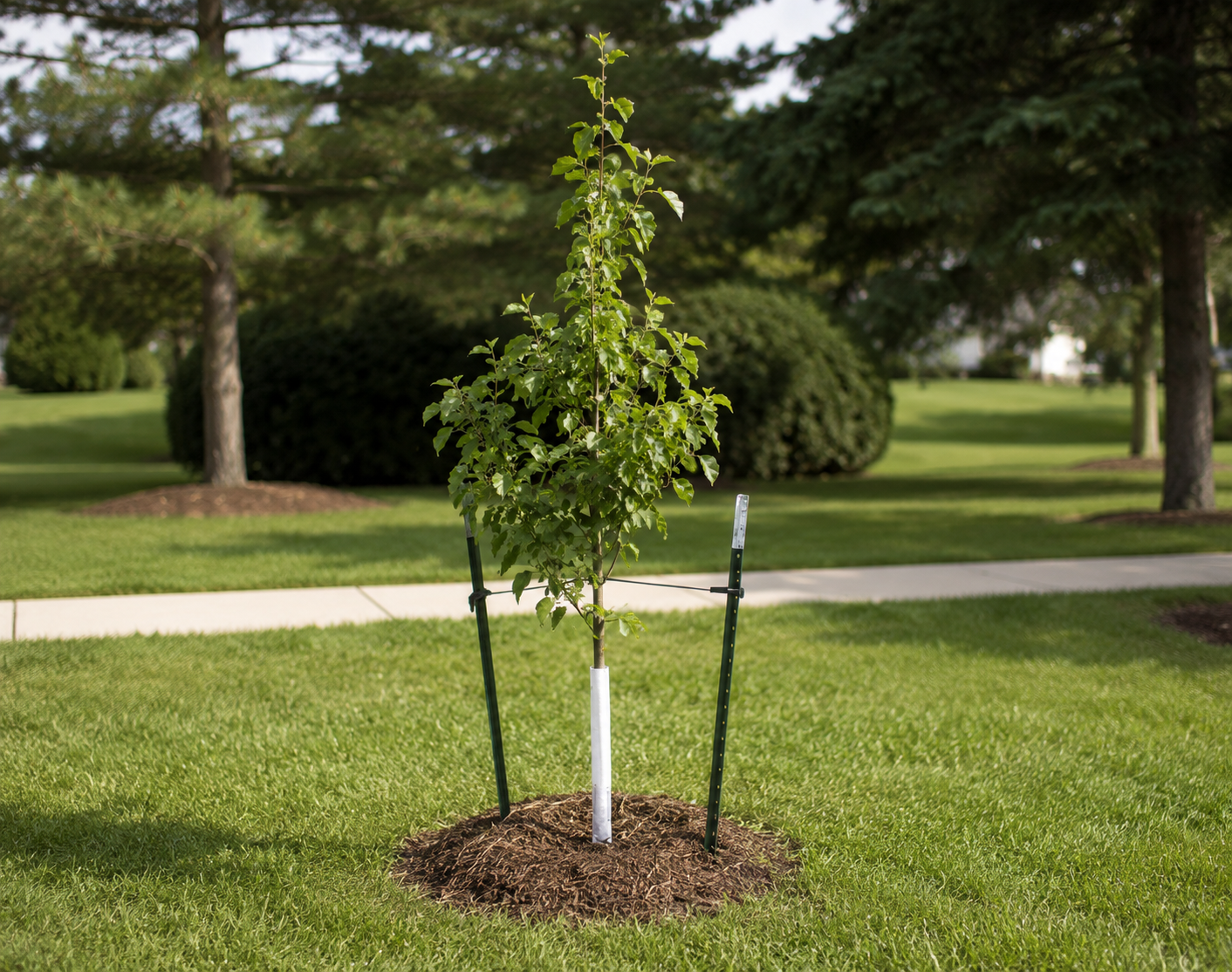
Missing bark on a young tree? A Delta winter field note on suspected animal feeding, assessment questions, suitable protection and follow-up care.
Missing bark near the base of a young tree can raise a different winter question from fallen leaves or a branch needing clearance: has something been feeding here, and could it happen again? As November turns into December in Delta, it is a useful concern to raise before choosing a wrap, a spray or replacement planting.
Start with the tree and the evidence already available. A pale patch on a trunk does not identify an animal, and winter does not make every mark feeding damage. The aim is to understand the injury and plan appropriate protection for the coming weeks.
Why consider animal feeding before winter?
Iowa State University Extension's animal-damage guide, reviewed in October 2026, explains that rabbits and small rodents can remove bark from young trees. Bark loss extending around a trunk can interrupt transport within the tree. The extent of the injury matters to recovery.
That is a reason to take unexplained bark loss seriously, rather than assume a small tree can simply grow out of it. It is not evidence that a particular animal is present in your Ladner, Tsawwassen or North Delta garden. The guide describes Iowa conditions; its calendar and snowfall assumptions should not become a local treatment schedule.
Describe the pattern before naming the visitor
Record when you first noticed the mark, which tree is affected and whether nearby plants have changed too. Separate missing bark on the lower stem from missing twig tips higher up. Mention an animal you actually saw, while leaving an unwitnessed cause open.
Photographs from accessible ground can show the whole tree, the affected area and its surroundings. Include an older image if it helps establish when the change appeared. Do not peel bark, enlarge the opening or dig around the base to investigate.
Tell the assessor about recent mowing, garden equipment and any tie or guard touching the stem. Our autumn bark-scrape note addresses known or suspected mechanical contact. Similar-looking damage needs its history considered before a cause is assigned.
Choose protection for the problem being addressed
A barrier intended for one animal may not exclude another. University of Wisconsin–Madison Extension's winter wildlife guidance explains that fencing suitable for deer can have openings large enough for rabbits. It also identifies low bark gnawing as a concern with voles and discusses physical protection for young stems.
Before buying a product, ask what it needs to keep out, how it will fit around this tree and how it will be checked as the tree grows. Include nearby paths, garden maintenance and access in that conversation.
An existing guard is not proof that protection remains suitable. Show its arrangement and any contact with bark; our tree-tie and trunk-guard review covers that separate maintenance question. Avoid fastening an improvised barrier tightly to an injured stem or disturbing roots to install it.
Protection does not repair missing bark
Keeping an animal from returning and assessing damage already present are two different jobs. Iowa State's guidance cautions that paint, wound dressings and wraps do not repair severe rabbit damage. A covering that hides the injury is therefore not a substitute for understanding it.
Leave the damaged surface undisturbed and ask whether the tree needs an assessment now. Do not assume that every injured tree needs removal, or that a green crown establishes that the lower stem is unaffected. Ask what can be concluded from the inspection and what remains uncertain.
If you have also noticed a changed lean, a split or hanging damage, keep people clear and report those concerns separately. Do not approach a suspect tree for a better photograph.
Give the December care plan a named caretaker
For a young tree beside a shared entrance, agree who will record further changes, arrange advice and check any protection recommended. Keep the planting details and earlier photographs with that record.
Ask what should prompt another call and when any barrier needs review. If the tree was recently planted, combine those instructions with its existing aftercare plan. Our first wet-winter care note covers the broader handover.
Discuss the tree's condition with Woodpro
Woodpro Tree Services Ltd provides tree health assessments in Delta and Metro Vancouver. Send the tree's location, planting history, dated observations and safely available photographs. Ask what assessment scope is appropriate; any wildlife-management work would need to be discussed separately rather than assumed to be included.
Request a free estimate to establish the next step. If replacement eventually becomes appropriate, our tree planting service provides a starting point for discussing the site and future care. First settle what has happened to the existing tree.