Home / Blog / Bark Scraped During Autumn Cleanup? What to Record in Delta
Tree Care
Bark Scraped During Autumn Cleanup? What to Record in Delta
Woodpro Tree Services Ltd · · 4 min read
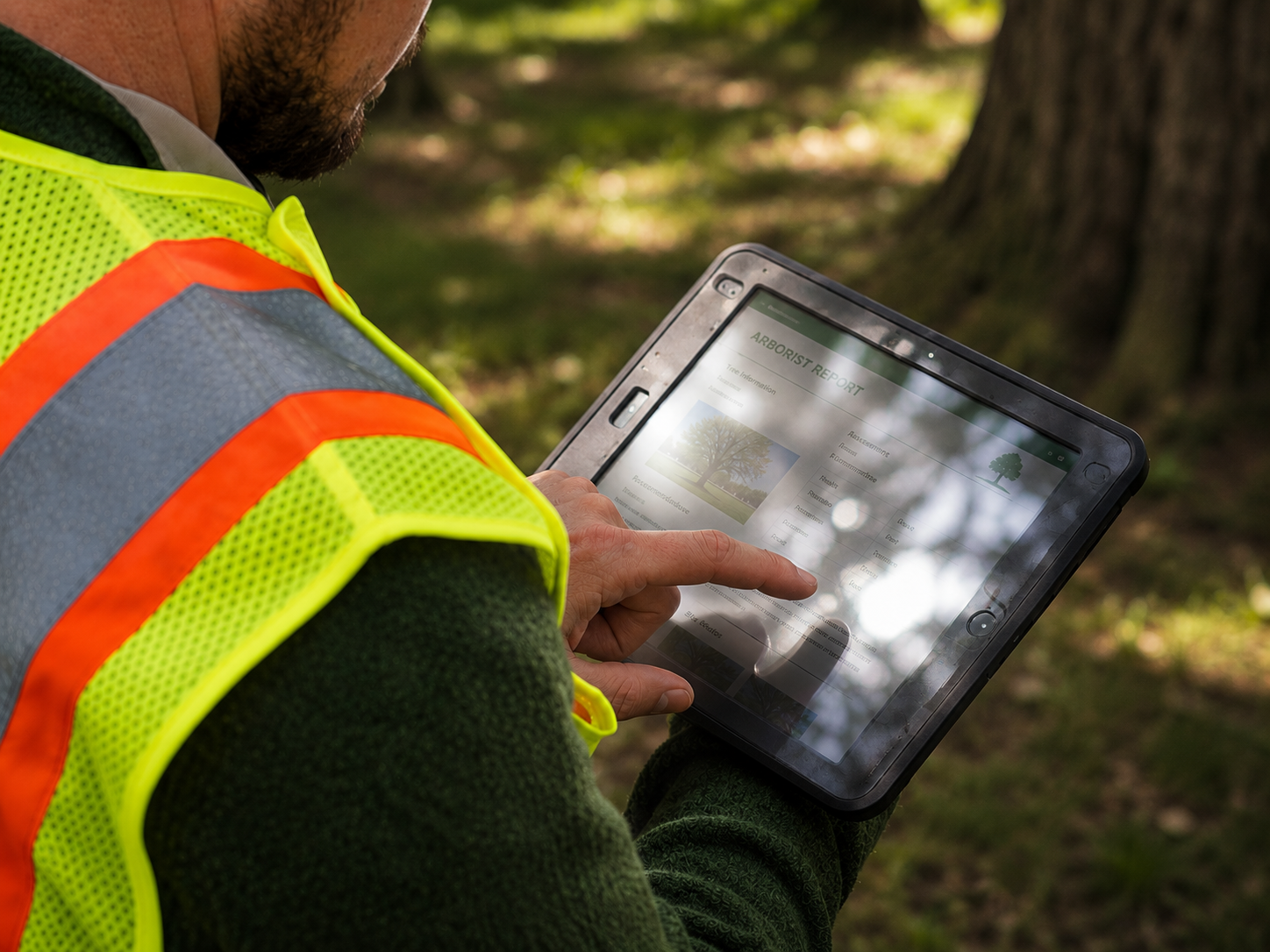
Noticed a trunk scrape during autumn cleanup? Record the history, prevent repeated contact and plan a tree assessment before November work in Delta.
Autumn cleanup can reveal a mark you had not noticed before: a scrape low on a maple beside the lawn, torn bark near a gate, or a scuff where equipment passed. As October ends in Delta, the useful question is what happened and whether it could happen again during November's garden work.
A photograph can start that conversation, but it cannot establish the depth of an injury or the condition of the whole tree. Keep the first steps simple: record the observation from a safe place, prevent further contact, and ask for an assessment when the damage is unclear.
Describe the scrape before naming a cause
Note where the mark sits, when you first saw it, and whether you actually witnessed an impact. “Noticed beside the driveway after cleanup” is different from “struck by a wheelbarrow.” If the cause is unknown, leave it unknown.
Include a whole-tree photograph and a closer view only if safely accessible. Older garden photographs may help establish whether the mark was present before this autumn. Do not peel bark away to find out how far the injury extends.
Ordinary bark appearance varies between trees. A rough patch or a pale area in a photograph is not enough to decide that equipment, disease or an animal caused it.
Why repeated contact deserves attention
University of Maryland Extension's guidance on lower trunk damage identifies mowers and string trimmers as common sources of mechanical injury. It also notes that trees beside driveways and walking routes can be damaged by vehicles or people bumping into them.
The same guidance explains that severe trunk damage can restrict transport within a plant, while repeated injury can become a serious problem. A small-looking mark therefore deserves a plan to avoid another impact, rather than an assumption that every scrape is harmless.
For the next few weeks, tell anyone doing cleanup about the affected tree. Choose an equipment route with space to pass without touching the stem. Do not rest tool handles, bins or loaded barrows against it.
Resist the urge to paint or tidy the wound
The University of Saskatchewan's bark-damage guidance explains that a tree may grow tissue over a minor wound, while severe injury can be irreversible. It advises against pruning paint on wounds.
That is not a reason to start cutting around a scrape yourself. Leave attached bark alone, avoid probing the wood, and ask an arborist what the particular injury needs. Adding a coating to make the surface look finished does not establish that the underlying problem has been resolved.
Do not wrap a damaged stem tightly as an improvised repair. If there is already a tie or guard present, mention it in the enquiry; our tree ties and trunk guards field note covers reviewing that equipment separately.
Separate an old scar from a changing structural concern
Record any other observations independently: a new split, a change in the tree's position, broken branches overhead, or a change in foliage you noticed earlier. Do not decide that a scar explains everything else about the tree.
Keep people away if the tree appears unstable or has broken or hanging branches. Do not approach it to improve a photograph or test whether a damaged area moves. A routine enquiry form is not the right way to manage an immediate danger.
If an assessment leads to monitoring, ask what changes should prompt another call and when the tree should next be reviewed. A dated record is useful only when someone knows what to do with it.
Make the November work plan specific
On a shared property, give the task a location and an owner: “tree beside the west gate: send photographs and keep equipment clear” is actionable. “Check trees sometime” is easy to lose among seasonal jobs.
Woodpro's tree health assessments provide a way to discuss trunk injury alongside the rest of the tree's condition. Include the property location, when the mark was noticed, any known impact and the work planned nearby.
Request a Woodpro quote with those details and ask what assessment scope fits. The aim is a clear next step for the tree and a practical plan that prevents the same contact during the next cleanup.