Home / Blog / Water in a Tree Cavity? A November Question for Delta Homeowners
Tree Health
Water in a Tree Cavity? A November Question for Delta Homeowners
Woodpro Tree Services Ltd · · 4 min read
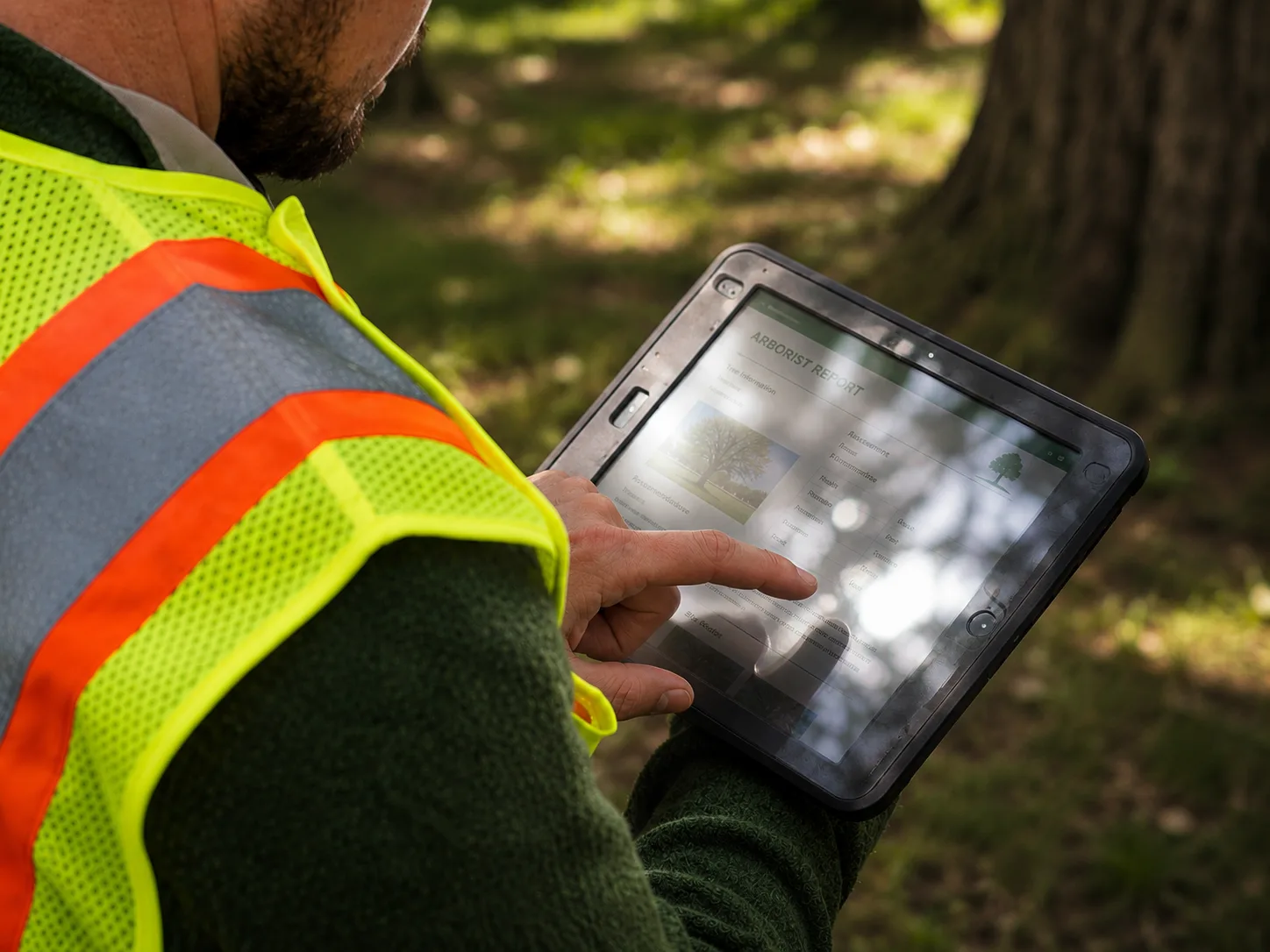
Noticed water in a tree hollow this November? Leave drilling and filling out of the cleanup plan and arrange a tree assessment in Delta or Metro Vancouver.
A hollow in a tree can become a new concern when you notice water sitting inside it during November garden checks. The opening may be familiar, but the water makes it tempting to reach for a drill, filler or a piece of flashing.
For Delta and Metro Vancouver homeowners planning the next few weeks of tree care, treat that observation as a reason to ask about the tree's condition. Emptying or covering a hole does not establish how much sound wood remains or whether the tree needs work.
A water-filled opening is not a diagnosis
A cavity is an opening or hollow in the wood. Its appearance alone cannot tell you when decay began, how far it extends or how the tree will perform in wind. Finding water today also does not establish that the cavity developed today.
Kansas State University's tree-cavity guidance explains that cavities often follow an injury and subsequent decay. The remaining living tissues can form barriers around damage. That is one reason disturbing the inside of a hollow is not a useful homeowner test.
Avoid judging the tree by the hole's apparent size, or by whether the crown still looks green. The question for an arborist is the condition of the whole tree in its setting, not whether the opening can be made to look tidy.
Leave drilling and filling out of the cleanup plan
Do not drill a drainage hole, scrape out soft wood or insert tools to measure the hollow. Kansas State warns that drilling creates another wound and that removing decayed wood can damage the barrier zone. Its guidance also explains that foam does not improve tree health or stop further decay, and advises against concrete.
These are reasons to leave cavity treatment out of a weekend repair list. A plug or cover can change what you see without answering the structural question. If someone previously filled the opening, tell the arborist what material was used if you know; do not try to extract it yourself.
For an old scrape rather than an established hollow, our autumn bark-injury note addresses recording that separate concern.
Describe the setting without approaching the opening
For your enquiry, identify the tree and where the opening sits in ordinary terms: at the lower trunk, beside an old branch cut or higher in a main limb. Use an existing photograph if you have one. Do not climb, reach into the opening or stand beneath suspect branches for a closer view.
Explain what is nearby: a frequently used path, parking space, house or shared garden. Note when you first saw the opening and when you noticed water. If the dates are uncertain, say so rather than guessing.
A message such as “the rear-yard tree has an old opening beside the shed; I first noticed water there this week” gives useful context without claiming a cause. Our tree-care enquiry guide explains how to add photographs and history.
Keep changes in the tree separate from routine tidying
The International Society of Arboriculture's tree-risk guidance identifies cavities, cracks and hanging branches as concerns for professional review. It places evaluation of their seriousness with an arborist.
If you notice an opening split, a hanging limb or movement, keep people away and make contact from a safe place. Do not return to the trunk to compare the cavity. Trees or branches near electrical lines require the utility's involvement; never attempt work there.
For a routine November visit, mention access constraints when arranging the assessment. A shared gate, steps or an area that collects water can affect how the visit is planned. You do not need to move equipment through the yard to demonstrate a route.
Ask for an assessment before choosing a repair
A cavity does not automatically select pruning, support or removal. Ask what the assessment can establish, whether further investigation is recommended and what the next step would be. Do not assume a particular test or treatment is included before the scope is agreed.
Woodpro provides tree health assessments in Delta and Metro Vancouver. Request a free estimate, call (778) 789-9452 or email info@woodpro.ca. Describe the opening and your concern, and leave the inside undisturbed while the appropriate next step is arranged.