Home / Blog / What to Send With a November Tree-Care Enquiry in Delta
Tree Care Planning
What to Send With a November Tree-Care Enquiry in Delta
Woodpro Tree Services Ltd · · 5 min read
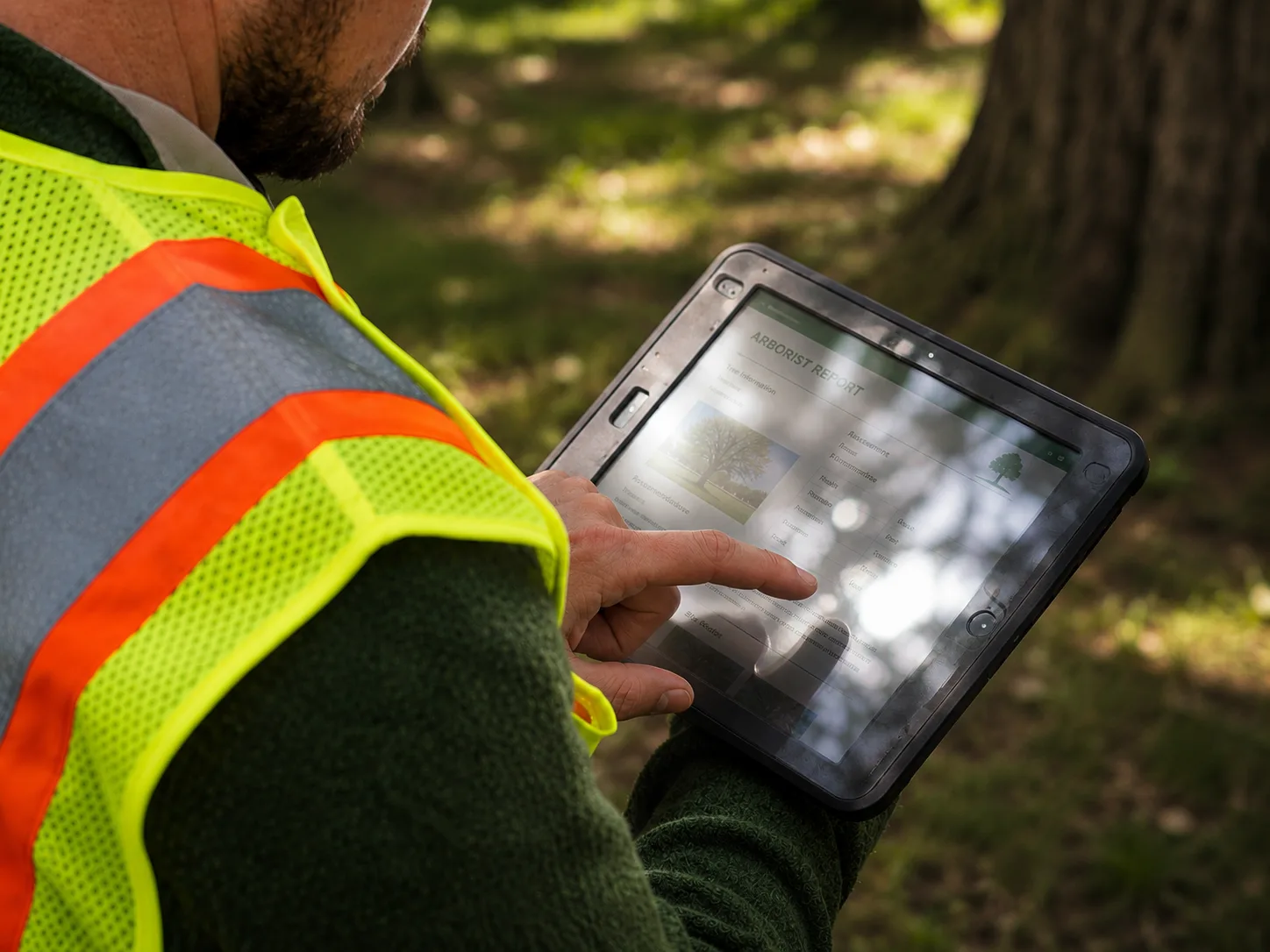
Planning November tree care in Delta? Send useful photos, observation dates and access notes without approaching a suspect tree or relying on remote diagnosis.
You notice a change in a backyard tree on a November afternoon, but by the time you sit down to request advice, the yard is dark. Should you send the close-up already on your phone, wait for another photograph, or describe the problem first?
For Delta and Metro Vancouver homeowners, a useful tree-care enquiry starts with a clear location, the reason for contacting us and what you have already observed. Photographs can add context. They should never become a reason to approach a suspect tree or delay reporting an immediate concern.
Describe the question before collecting pictures
Start with the outcome you need help understanding: a branch affects the gate, a tree looks different from last month, or you want to plan maintenance before winter. You do not need to choose pruning or removal before an arborist has reviewed the situation.
Identify the tree in ordinary words. “The large tree beside the rear garage” is more useful than a guessed species name, especially where several trees appear in the same photograph. For multiple trees, give each one a simple label and use it consistently in your notes.
Include your municipality and whether the tree is on your property, a shared boundary or land you believe belongs to someone else. If ownership is uncertain, say so. Our front-yard tree enquiry guide covers that separate starting question.
Put a close-up in its wider setting
For a routine enquiry, an existing wide photograph can help show which tree you mean and its relationship to buildings, paths and neighbouring space. A closer image of the concern is more useful when it can be matched to that wider view.
Only take new photographs from an accessible, stable ground-level position where you can remain clear of the concern. Use daylight if you need a better picture for a routine request. Do not climb, use a ladder, stand beneath a hanging branch or move into a restricted area to complete a set of photographs.
If you cannot show the base or upper crown safely, leave that view out and explain why. A missing photograph is information the crew can account for; it is not a task you must finish before making contact.
Add dates and history that the camera cannot supply
Write when you first noticed the change and whether you know it was present earlier. “First noticed on Saturday” does not necessarily mean “started on Saturday.” Keep that distinction in the message.
If you have an older photograph, include its date and identify the same tree. Different angles can make a lean or branch position look different, so explain what you believe changed without treating the comparison as a measurement.
Mention relevant work you know about, such as earlier pruning, a nearby trench or changes to paving. The International Society of Arboriculture's tree-risk guidance includes site alterations and pruning history among the questions worth raising. Its guidance also places evaluation of the seriousness of defects with a professional arborist.
Explain access separately from the tree concern
For a visit planned over the coming weeks, describe the route to the tree: gates, steps, shared access and areas that become soft or collect water. Mention whether someone must arrange entry or whether a strata contact needs to be involved.
Do not move heavy objects or drive equipment into the yard just to demonstrate access. The enquiry is a chance to explain constraints before a work plan is chosen.
If the request includes existing branches or logs to be removed, identify that material separately from work on a standing tree. Woodpro's debris-removal service covers that scope discussion. A photograph of a pile does not establish the condition of the tree it came from.
Know when the photo request should stop
A photograph cannot establish that a tree is safe, reveal every internal defect or confirm which work is appropriate. Ask about a tree health assessment when the concern needs professional review, and explain any limits to what you have been able to observe.
Keep away from hanging branches, an opening split or visible movement. Do not pull a branch, probe a cavity or disturb the ground to make the picture clearer. Make contact from a safe place and describe the concern directly.
Electrical hazards need a different response. BC Hydro advises staying at least 10 metres back from a downed or damaged power line and calling 911. Do not approach a line or a tree touching one to take photographs.
Send a short, usable handover
A clear message can be brief: identify your Delta or Metro Vancouver location, the tree, your main question, when you noticed the issue and any access constraints. Add the photographs you already have and name what they show. If the concern changes after you send the message, provide an update.
Request a free estimate from Woodpro or email info@woodpro.ca. For a phone enquiry, call (778) 789-9452. A well-described question helps us explain the next step while keeping the eventual tree-care scope tied to the actual site.