Home / Blog / Winter Tree Inspection in Delta: What to Check During the Wet Winter
Tree Health
Winter Tree Inspection in Delta: What to Check During the Wet Winter
Woodpro Tree Services Ltd · · 5 min read
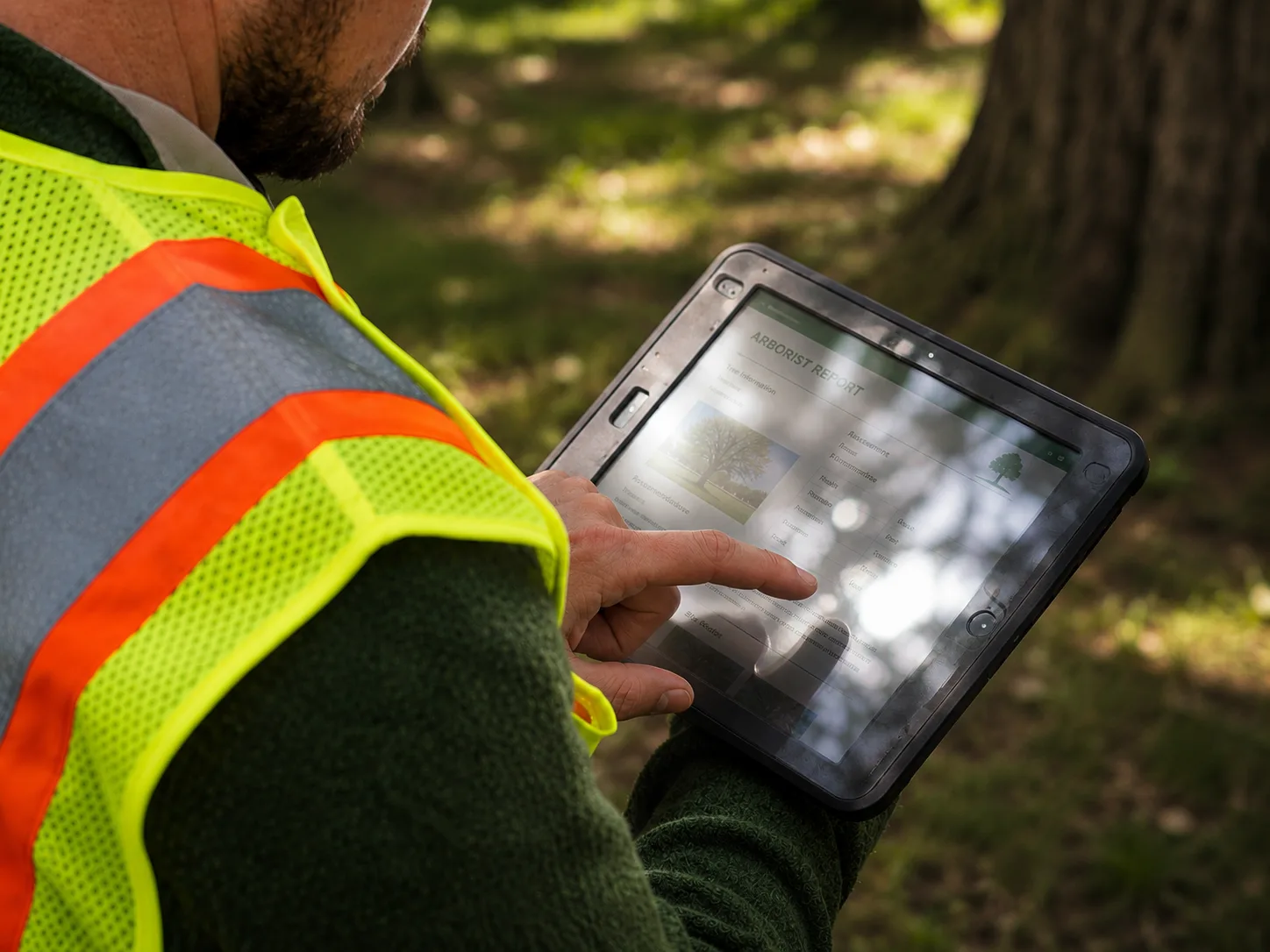
Plan a winter tree inspection in Delta: notice changes from a clear position, keep away from damage and prepare a useful enquiry for an arborist assessment.
Winter tree inspection in Delta starts with a practical question: what can you notice from a place you already know is clear, and what should be left for an arborist? As late November gives way to December, a useful household plan separates ordinary observations from situations where people need to stay away.
For a garden in Ladner, Tsawwassen or North Delta, think about the routes people will use over the next few weeks: the front entrance, parking space, shared gate and path to the bins. This is preparation for the wet winter season, not a forecast or a claim that every tree needs work. Your aim is to explain a concern clearly and arrange the appropriate assessment.
Winter tree inspection in Delta: start with where people go
Begin indoors or from another clear position with a view of the garden. Identify which tree concerns you and what is beside it. “The maple beside the only side entrance” tells the arborist more about the setting than “a large tree at the back.”
Consider visitors, deliveries and neighbours as well as your household. If you are already concerned about a tree or branch, use another route where possible and keep people out of the area. Do not walk beneath it to complete a checklist, measure the trunk or take a better photograph.
On a strata property, make sure the person receiving the enquiry knows which common route is affected and who can authorize access. A maintenance request should reach the person who can act on it.
Report a change without trying to diagnose it
Describe what you can actually see: a branch that now hangs differently, a visible split, or a lean that appears to have changed. Say when you first noticed it and whether an older photograph is available. If you do not know whether it is new, include that uncertainty.
The International Society of Arboriculture's tree-risk guide identifies hanging branches, cracks, cavities and changes around roots among concerns for professional review. The seriousness of a finding belongs with an arborist.
An observation is therefore a reason to ask for review, rather than a diagnosis or a decision to remove the tree. Do not probe an opening, test a branch or try to make a tree move.
Include the ground and recent work in your message
From a clear viewing position, mention any newly noticed ground separation, raised soil or change around the base. Keep away from a tree showing movement or a changed lean. Do not approach its roots to find out whether the soil feels firm.
Also explain recent events you already know about: excavation for a drain, a new driveway, construction access or a change in ground level. ISA's guide includes site alterations among the matters an assessor should consider. Dates, plans and existing photographs can be useful context even when the visible concern is higher in the crown.
For a specific question about work near roots, our drainage-trench planning note explains what to discuss before excavation. It does not replace an assessment of a tree that has already changed.
Keep damaged branches separate from routine cleanup
A suspended limb or a partly attached branch is outside the scope of ordinary leaf collection. Leave it alone, keep people clear and explain the situation when making contact. Do not pull it down, climb to inspect it or begin cutting fallen material that remains connected to the tree.
Power lines need particular care. Do not touch a tree or branch contacting a line or attempt to clear it. BC Hydro's electrical-safety guidance says to stay at least 10 metres from a downed or damaged line and call 911. A website enquiry is not the reporting route for that emergency.
Ask what kind of assessment you need
Woodpro's tree health assessment service provides a starting point for questions about condition and care. Explain if your main concern is structural damage, a change in the tree, or an application that needs written documentation.
Ask which trees and areas the visit covers, what limitations apply and whether a written report is included. A municipal submission may require a different scope from a general consultation; see our arborist report and permit guidance. Neither an online photograph nor a seasonal checklist confirms that a tree is safe.
Turn the enquiry into a clear next step
Send the address, the tree's location, what you noticed and when, nearby routes or structures, and any relevant history. Mention gates, steps, soft access routes and ownership questions. Use photographs you can obtain without entering the area of concern.
Woodpro Tree Services Ltd serves Delta and Metro Vancouver with ISA-certified arborists and full insurance. Request an assessment estimate, call 7787899452, or email info@woodpro.ca. A clear enquiry helps establish the next step while you keep people away from suspect trees and branches.