Home / Blog / Before an Autumn Delivery: Plan Access and Storage Around Your Delta Trees
Tree Care Planning
Before an Autumn Delivery: Plan Access and Storage Around Your Delta Trees
Woodpro Tree Services Ltd · · 4 min read
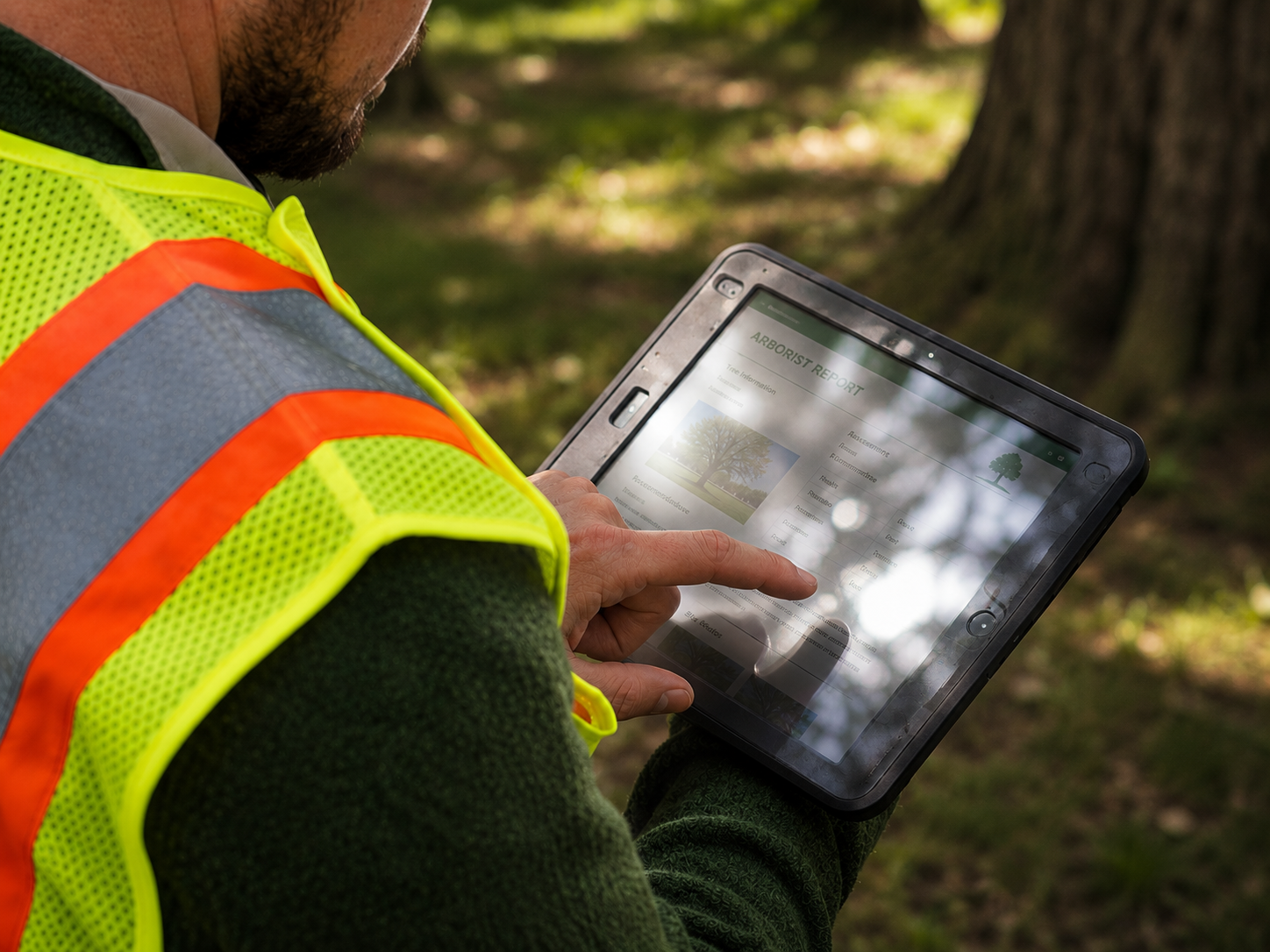
Before autumn deliveries, agree where vehicles will stop and materials will wait. Keep retained trees in the access discussion before work moves into November.
An autumn delivery can seem straightforward: leave the gravel beside the gate, put a pallet on the lawn, or let the truck cross the garden once. If an established tree shares that space, decide where the load and vehicle will go before confirming the delivery.
For Delta and Metro Vancouver homeowners planning work through November, this is a useful question to settle early. It does not depend on a storm forecast or a major building project. Even a small job needs an access route and somewhere for materials to wait.
Look beyond the trunk
A tree can be clear of the truck's body while its roots remain under the proposed route. Iowa State University Extension explains that roots occupy shallow soil and can extend beyond the crown. Its guidance identifies machinery, stored supplies and piles of soil or gravel as sources of damage around retained trees.
Treat the space around a tree as part of the delivery discussion. Avoid choosing a storage spot simply because there is no visible root on the surface. Equally, the edge of the branches is not a site-specific clearance distance.
If the available space puts the delivery close to a retained tree, ask an arborist to review the proposal before anyone commits to that arrangement.
Agree on the unloading point and the route
Write down two separate decisions: where the delivery vehicle will stop, and where its load will remain. Include the route between them if materials will be moved again by smaller equipment.
Tell the supplier about the gate, existing driveway, neighbouring trees and any access restrictions you already know about. Ask what vehicle and unloading method they intend to use. “Delivery to the property” leaves too much undecided when the driver arrives.
For example, a homeowner may intend to keep a pallet on an existing paved area while the supplier expects to unload on the adjacent lawn. Resolve that difference in advance. Existing paving is useful information for the discussion; it does not by itself prove that a vehicle's weight or access arrangement is suitable.
Keep a temporary pile from becoming a winter storage area
Late-October work can extend into November through separate deliveries and contractor visits. Put a removal or relocation date beside each proposed pile so “just for the weekend” does not quietly become several weeks.
Do not tip surplus soil into a bed around a tree to make room for the next delivery. The International Society of Arboriculture's construction-damage guidance identifies added fill and soil compaction as problems for roots. It explains that compaction and grade changes can reduce soil oxygen and restrict water movement.
Keep the agreed storage area clear of trees rather than enlarging it toward the trunk as more material arrives. If the original space is insufficient, revisit the delivery size or sequence.
Reconsider access when the ground changes
A route discussed on a dry visit may look different by delivery day. Iowa State's guidance recommends dry-soil working conditions to reduce compaction. That is a reason to review actual conditions, rather than assume a booking date makes access appropriate.
If the proposed route has become soft or rutted, pause and discuss an alternative with the people responsible for the work. Do not turn a second patch of lawn into an improvised bypass near another tree.
An online article cannot specify a suitable ground-protection system, vehicle limit or root-protection boundary for your property. Those choices need the tree, soil and proposed work considered together.
If a delivery has already crossed the root area
Record what happened while the details are available: date, approximate route, vehicle or equipment used, where materials were placed, and any visible changes. Take photographs only from a safe, accessible position.
ISA notes that decline following construction damage can take years to become obvious. A tree looking unchanged immediately afterwards does not settle the question. Conversely, a rut or a photograph alone cannot establish the extent of root damage or the tree's future.
Avoid digging around roots or trying a corrective treatment before assessment. Share the history when asking about Woodpro's tree health assessments, so the discussion starts with what occurred rather than a guessed diagnosis.
Bring the next few weeks of work into one conversation
List upcoming deliveries, storage periods and contractor visits together. A route that looks manageable for one delivery deserves another discussion if it will be used repeatedly.
If excavation is also proposed, read our separate drainage-trench planning field note. It covers the tree questions to raise while a trench route is still being considered.
For a tree concern connected with planned or completed access, request a Woodpro quote. Include the tree's location, the proposed delivery arrangement and any relevant work history. Ask what assessment is appropriate before treating the garden as an unloading area.