Home / Blog / Brown Patches in Your Cedar This Fall? Record the Change Before Choosing the Work
Tree Care
Brown Patches in Your Cedar This Fall? Record the Change Before Choosing the Work
Woodpro Team · · 5 min read
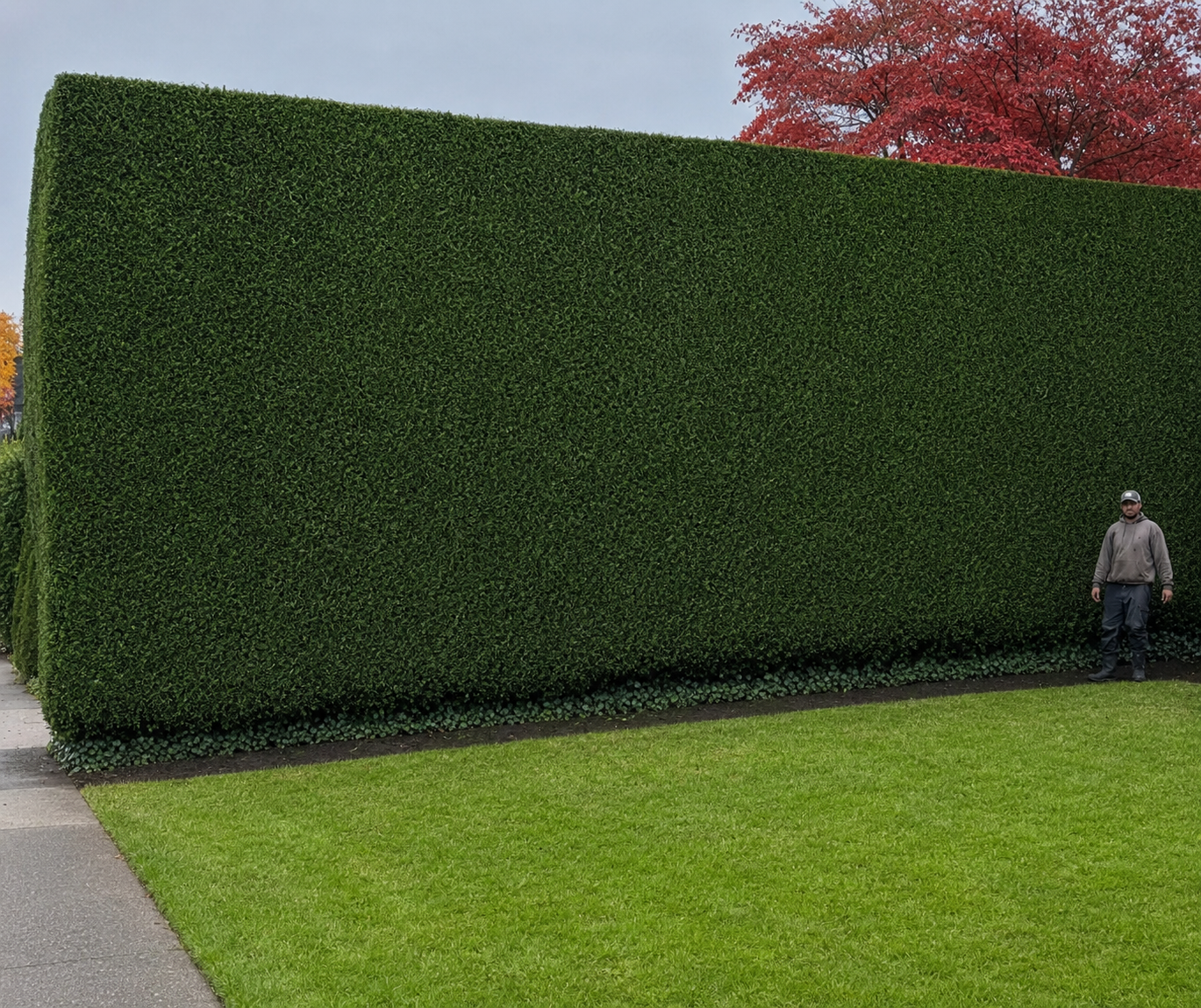
Cedar browning has more than one explanation. Record the plant, pattern, dates and recent work before discussing a report or suitable hedge trimming.
A brown patch in a cedar hedge can make the next decision feel urgent. Should you book a trim, ask about removal, or leave it alone? Before choosing the work, give the person advising you a clear picture of what changed.
For Delta homeowners, a useful first step is a short record: which plant is affected, where the colour appears, when you noticed it, and what has happened nearby. That record supports a professional conversation. It cannot identify the cause on its own.
Cedar flagging is one possibility, not a diagnosis
The Province of British Columbia describes cedar flagging in western redcedar as isolated branchlets turning yellow or red and dying. It can be particularly noticeable following hot, dry summer weather. The province describes this specific condition as normal and not harmful to tree growth. That does not establish what caused the browning in your yard, or what weather your property experienced this year. Read BC’s cedar flagging guidance.
There is an important complication: cedar leaf blight can look similar. BC’s field guide describes small fungal structures or the cavities they leave as distinguishing evidence. A phone picture that does not show those details cannot rule blight out. You do not need to resolve that distinction yourself before asking for help. See the provincial field guide, printed page 194.
The practical takeaway is to describe the pattern accurately and keep the cause open.
Start with the plant and the pattern
If you have a nursery label, planting invoice or previous report, include it. Record the species and cultivar if known. If all you know is “cedar,” say that rather than choosing a name from an online photograph. The provincial flagging guidance specifically concerns western redcedar; applying it to an unidentified hedge would skip an important question.
From an accessible position on the ground, note whether the change involves a few small branchlets, one larger section, most of a single plant, or several plants along the hedge. Describe whether you see it inside the foliage, across an outer face, near the base, or at the top.
These descriptions are useful even when you cannot identify the plant. “Three brown areas on the driveway side, first noticed last weekend” gives the conversation a clearer starting point than “the hedge is dying.”
Take photographs that preserve context
A close photograph of brown foliage can lose the detail that matters most to the owner: where the patch sits in the whole hedge. Build a small set of pictures instead:
- One view of the entire hedge or freestanding tree.
- A middle-distance view showing the affected section and neighbouring foliage.
- A closer view of the colour change, only where safely reachable.
- A view of the surrounding ground or nearby work that you want to discuss.
Add the date and identify the location of each patch. If you already have older garden photographs, include a comparable view. When taking later pictures, use roughly the same position so the changes are easier to compare.
Stay on the ground. There is no need to climb, lean through a dense hedge, or reach towards overhead wires to collect a better image. Ask the professional what additional information would help.
Add a short history without guessing the cause
Write down when you first noticed the browning and whether its extent appears to have changed. Separate what you saw from what you suspect.
Useful history to share includes the planting date if known, recent trimming, nearby digging or paving, and changes to the way the garden has been cared for. Include any treatments already applied and their dates. These are background details for the person assessing the plant, not proof that any one event caused the problem.
For example: “The driveway was repaired in August; I first photographed this patch in October” is a useful sequence. “The driveway work killed the cedar” is a conclusion that still needs investigation.
You do not need a perfect maintenance diary. A few reliable dates and honest gaps are enough to begin.
Match the request to the question
When the concern is unexplained discolouration, lead with that question when contacting Woodpro. Ask what kind of review is appropriate and whether a site visit or written findings would help. Woodpro’s live service catalog includes an Arborist report; confirm the purpose and scope of any report in the quote. You can read about arborist reports and permits before discussing your needs.
If suitable hedge work is agreed, Woodpro’s catalog describes Hedge Trimming as trimming the top and sides, with debris cleanup and disposal. That work should have a clear purpose. A trimming quote should not be read as a diagnosis or a promise to restore brown foliage. See the hedge trimming service for the related service information.
Contact Woodpro for a quote and explain that cedar browning is your main concern. Share the dated photographs, plant information and short history, then ask what should be established before choosing the work.