Home / Blog / Brown Leaves Still on Your Deciduous Tree? A Late-Autumn Question in Delta
Tree Health
Brown Leaves Still on Your Deciduous Tree? A Late-Autumn Question in Delta
Woodpro Tree Services Ltd · · 4 min read
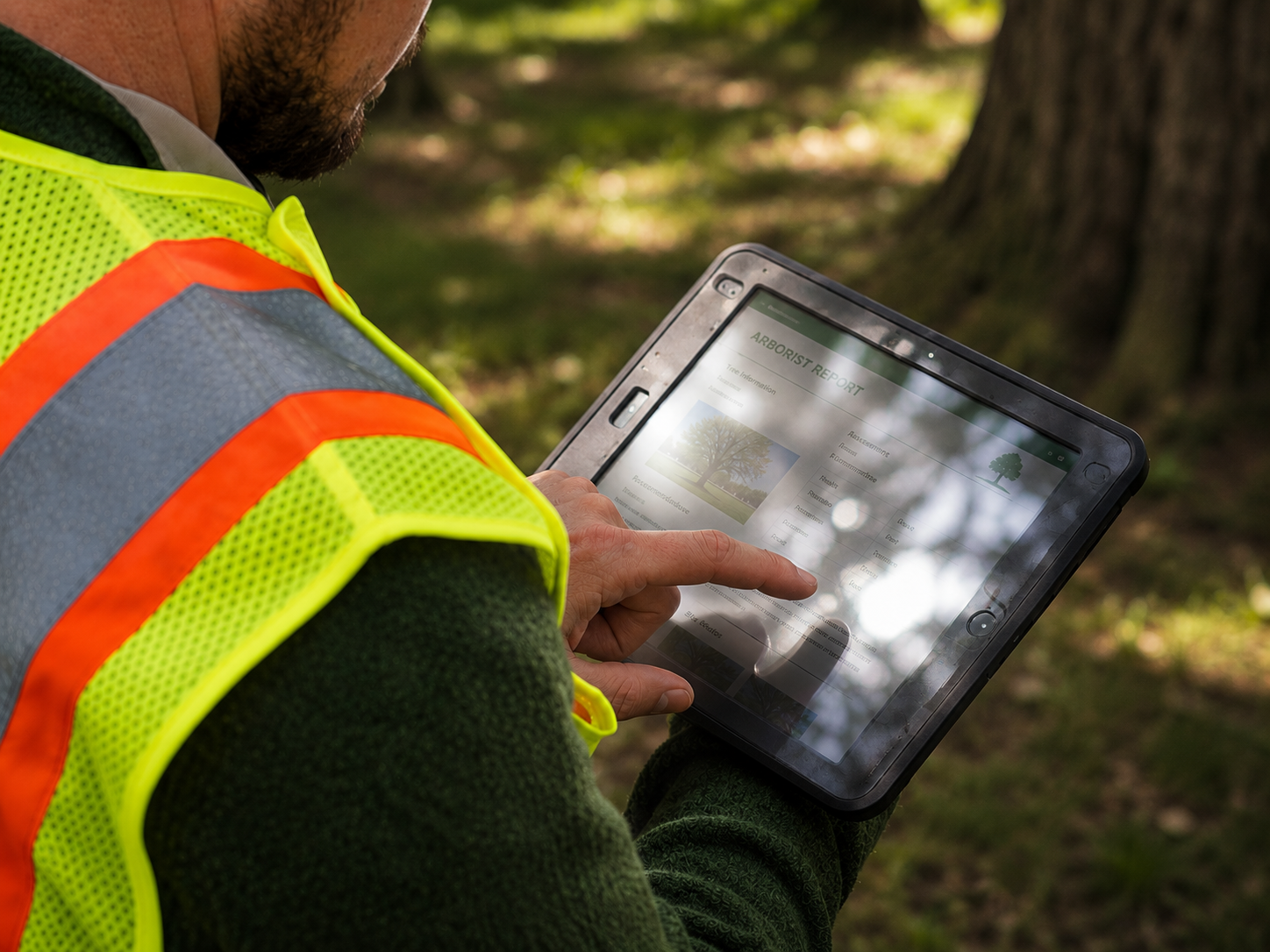
Some deciduous trees retain dried leaves into winter. Learn what marcescence means and what to tell Woodpro when a leaf pattern is unfamiliar.
A tree with brown leaves still attached can look out of step with a bare tree next door. In a Delta garden heading into November, that difference raises a reasonable question: has this tree missed autumn, or is something wrong?
There is no single leaf-drop deadline for every deciduous tree. Some retain dried leaves through winter, a habit called marcescence. The useful next step is to identify the tree and describe the pattern, rather than decide on pruning from leaf colour alone.
What marcescence means
University of Maryland Extension explains marcescence as the retention of withered leaves after the usual autumn shedding period. It describes the habit in oaks, American beech and several other deciduous species, sometimes on young trees and sometimes on lower limbs of older trees.
Normally, a separation layer develops where the leaf stalk meets the twig. In marcescent foliage, separation is delayed. The brown leaf can remain attached even though its growing-season work is finished.
That explanation describes a recognised tree habit. It does not identify your tree from a photograph or establish that every brown-leaved branch is healthy.
Start with the tree, then the pattern
If you know the species, include it in your enquiry. If you do not, say so. A remembered nursery label or an earlier arborist report is more useful than choosing a species because an online picture looks similar.
Record where the retained leaves occur: throughout the visible crown, mainly on lower branches, or in one distinct patch. Note when you first noticed them and whether you remember the same tree doing this in previous years.
Compare the tree with its own history where possible. A maple beside an oak is not a reliable calendar for the oak. An older photograph of the same tree may help explain what has changed.
Keep an unfamiliar change as an open question
For example, “this young oak kept brown leaves last winter too” is a different account from “one branch browned while the rest was still green in summer.” Send that sequence in plain language rather than labelling both cases marcescence.
Mention other concerns separately: a newly broken branch, a visible crack, or work that recently took place nearby. Do not make retained leaves the explanation for everything else you see.
If the pattern is new, the species is uncertain, or there are other changes, ask about Woodpro's tree health assessments. The purpose is to clarify the concern before selecting work. A leaf photograph alone cannot settle tree health or structural safety.
Do not make leaf removal a pruning job
Brown leaves still attached are not, by themselves, a reason to request branch removal. Keep the enquiry focused on what needs explaining. Avoid pulling at branches, shaking the tree or climbing to strip foliage.
If pruning is already being considered for a separate reason, describe that reason as well. Our established-tree pruning planning article explains why the intended outcome belongs at the start of the discussion.
Where a limb is broken or hanging, keep people away and seek professional advice promptly. Do not approach beneath it to improve a photograph or wait for leaf drop to resolve the concern.
Leave room for a longer cleanup season
University of Missouri's guidance on marcescent trees describes some oaks, beeches and hornbeams shedding retained leaves intermittently through winter, with a final drop around the approach to spring growth.
For your November garden plan, that means a cleared path today may need attention again. Do not assume one late-autumn cleanup will collect every leaf, or that attached foliage needs removing to finish the job.
Once leaves reach the ground, their destination is a separate decision. Our fallen-leaf field note covers lawns, paths and suitable planting beds without treating every leaf as waste.
Bring a useful account to the enquiry
Send your Delta or Metro Vancouver location, the tree's identity if known, when the leaves changed, where they remain and whether this has happened before. Add photographs only from a safe, accessible position.
You do not need a diagnosis before making contact. Request a Woodpro quote and explain whether you want help understanding a change or have a separate tree-work request. That gives the conversation a practical starting point as autumn moves toward winter.